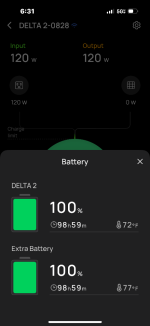
Bob’s Reliability Reef: 250 Basement Fish Room Build
Welcome to Bob’s Reef V4: a reliability-first basement fish room build centered around a Waterbox Reef LX 330.7, remote fish-room filtration, redundant life support, structured power planning, and long-term reef stability.
Goal: build a beautiful reef that is boringly reliable, easy to maintain, and documented well enough that other reefers can sanity-check — or reuse — parts of the design.
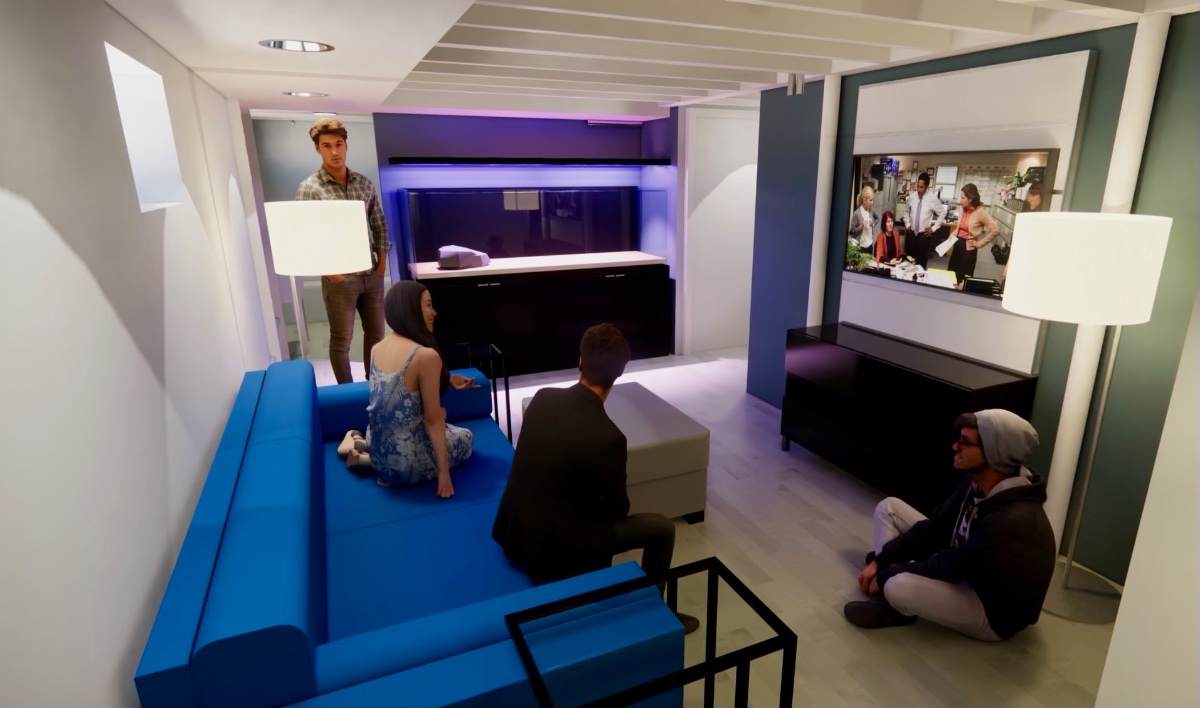
This is the next version of a childhood reef dream: a large, stable system with room for active swimmers, serious coral growth, and a fish room designed around serviceability instead of regret. The Sohal Tang was one of the fish that originally inspired the scale and ambition of the system. Final livestock decisions will still be made carefully around long-term space, compatibility, and responsible husbandry.
I’ve been a BRS member since 2003, and this community has shaped a lot of how I think about reefkeeping. I’m posting the build here because large systems are better when the community gets to poke holes in the plan before water hits the floor.
This is no longer a “someday” dream. Equipment is arriving, the fish room is under construction, and the system is moving from design into physical infrastructure.
Bob’s Reef V4 planning workbook
The workbook has become the main planning system for this build: BOM tracking, power planning, controller mapping, water-management notes, logging ideas, and tools that may help other reefers planning larger systems.
Please comment on the plan and share ideas.
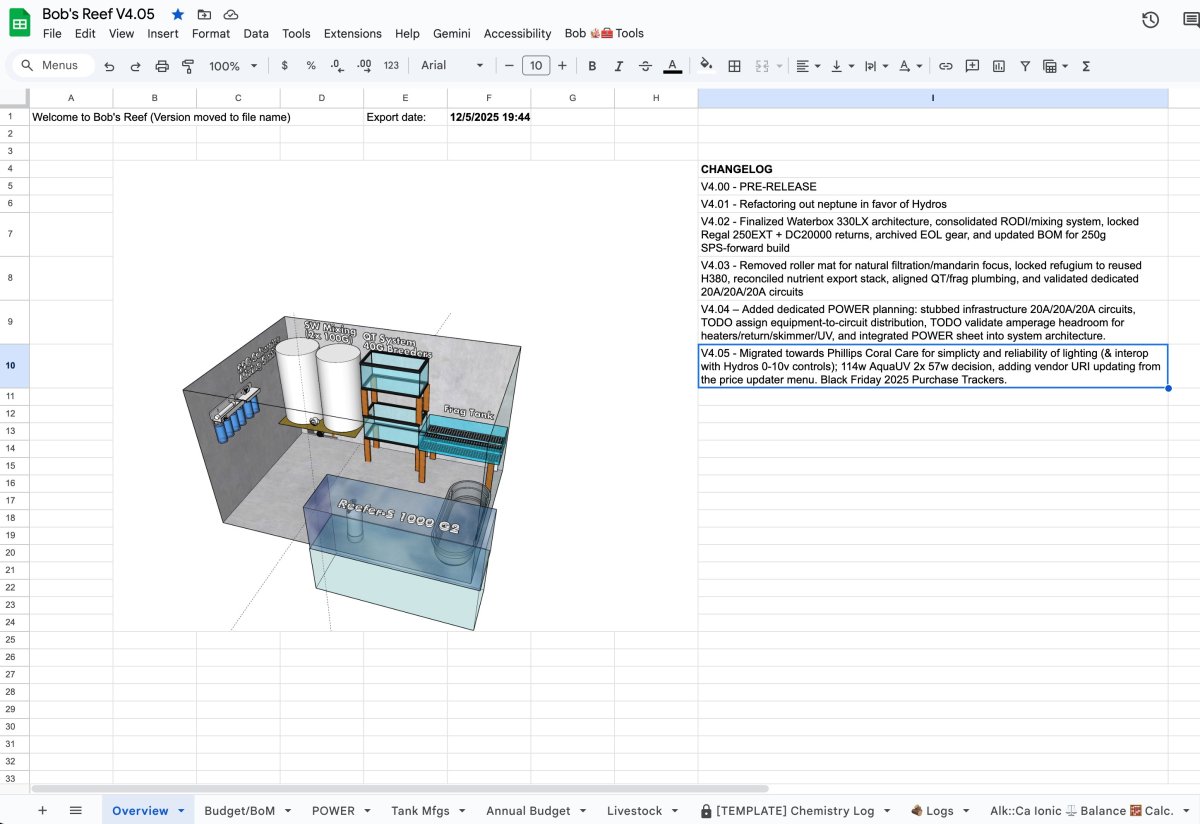
* Note: this SketchUp rendering is a few years out of date. A newer 3D Revit model will be added as the layout is finalized.
The theme is “Reliability Reef,” but the practical version is straightforward: fewer mystery power strips, fewer unserviceable plumbing runs, fewer heroic maintenance days, and more boring stability.
Power planning is part of the core design: dedicated circuits, labeled outlets, GFCI protection, drip-loop discipline, and intentional power domains.
Redundancy only counts if the power plan supports it.
Please poke holes in the plan. I would rather fix the spreadsheet or plywood now than fix wet drywall later.
After several years away from a serious reef, V4 is the return: larger, more intentional, more serviceable, and much better documented.
This build is a childhood reef dream with adult risk management bolted onto it.
If you’re into failure-mode analysis, fish room builds, reef automation, or just want to watch a 10-year reliability-focused reef come together, this is the thread I’ll keep current as Bob’s Reef V4 grows up.
Feedback welcome.
Welcome to Bob’s Reef V4: a reliability-first basement fish room build centered around a Waterbox Reef LX 330.7, remote fish-room filtration, redundant life support, structured power planning, and long-term reef stability.
Goal: build a beautiful reef that is boringly reliable, easy to maintain, and documented well enough that other reefers can sanity-check — or reuse — parts of the design.
This is the next version of a childhood reef dream: a large, stable system with room for active swimmers, serious coral growth, and a fish room designed around serviceability instead of regret. The Sohal Tang was one of the fish that originally inspired the scale and ambition of the system. Final livestock decisions will still be made carefully around long-term space, compatibility, and responsible husbandry.
I’ve been a BRS member since 2003, and this community has shaped a lot of how I think about reefkeeping. I’m posting the build here because large systems are better when the community gets to poke holes in the plan before water hits the floor.
Where things stand today
This is no longer a “someday” dream. Equipment is arriving, the fish room is under construction, and the system is moving from design into physical infrastructure.
- Display: Waterbox Reef LX 330.7.
- Lighting: Radion XR30 G6 Pros.
- Control: Hydros primary, Home Assistant for visibility / notifications.
- Fish room sump: BashSea 60 Pro.
- RODI: AquaFX system mounted and being integrated.
- Mixing station: 110 gallon conical / inductor-style mixing tank.
- Frag system: 36" x 24" x 10" acrylic frag tank planned into the fish room.
- Aquascape: dry rock NSA / negative-space aquascape in progress.
- Planning workbook: BOM, power plan, device mapping, water-management notes, and changelog.
Bob’s Reef V4 planning workbook
The workbook has become the main planning system for this build: BOM tracking, power planning, controller mapping, water-management notes, logging ideas, and tools that may help other reefers planning larger systems.
Please comment on the plan and share ideas.
* Note: this SketchUp rendering is a few years out of date. A newer 3D Revit model will be added as the layout is finalized.
Major milestone posts + photos
- Original build launch / system overview
- Dry goods arriving + AquaFX unpacking photos
- RODI plumbing plan / Mermaid diagram
- RODI mounted on the wall
- Lighting decision: Radion XR30 G6 Pros
- Monitoring cameras mounted for timelapse / remote visibility
- Control wall prep, labels, circuits, and redundancy domains
- V4.07 changelog: Hydros expansion, RODI solenoid plan, power planning
- First NSA aquascape work
- Sump delivered
- Aquascaping timelapse and swim-through
- Fish room layout mockups: sump, frag tank, and mixing station options
- Fish room FRP waterproofing and PVC trim
- 110 gallon mixing tank arrived
Design principles
- Build for a 10-year stable reef.
- Reliability before cleverness. Automation should reduce risk, not create mystery.
- Pod-friendly, biodiversity-forward filtration.
- Service access matters. If something is hard to reach, it will eventually be neglected.
- Redundancy where failure matters. Flow, oxygenation, heat, power, leak detection, and water movement all get treated as system-design problems.
- Document the decisions. The workbook and this thread are intended to be useful references, not just a photo dump.
The theme is “Reliability Reef,” but the practical version is straightforward: fewer mystery power strips, fewer unserviceable plumbing runs, fewer heroic maintenance days, and more boring stability.
System design snapshot
- Display: Waterbox Reef LX 330.7 in the main living space.
- Cabinet sump: stock Waterbox LX sump, likely repurposed toward added volume, cryptic filtration, rubble, pods, and biodiversity.
- Fish room sump: BashSea 60 Pro for probes, refugium, experiments, and easier service.
- Skimmer: Reef Octopus Regal 300EXT class skimmer.
- UV: Aqua Ultraviolet 114W dual-bulb unit.
- Returns / manifold: dual DC return strategy where practical, with serviceable branches for UV, skimmer, frag tank, chiller loop, and drains.
- Hydros: primary reef controller ecosystem for returns, wave pumps, heaters, fans, leak detection, flow monitoring, and power monitoring.
- Home Assistant: visibility layer, notifications, smart-home integration, and overall reef-health dashboard.
Power + redundancy
Power planning is part of the core design: dedicated circuits, labeled outlets, GFCI protection, drip-loop discipline, and intentional power domains.
- Normal mode: full lighting, flow, filtration, heating, skimming, and automation.
- Reduced-power mode: maintain oxygenation, temperature, and circulation.
- Emergency mode: preserve life support long enough for intervention.
Redundancy only counts if the power plan supports it.
Current status + next steps
- Display and core hardware: selected and budgeted.
- Power and circuit planning: in progress for display, life support, fish room, and mixing station.
- Plumbing: in final iteration, including dual returns, fish room manifold, UV, skimmer, frag tank, chiller loop, and service drains.
- Aquascape: NSA / negative-space approach in progress.
- Water management: 110 gallon mixing tank, external pump, RODI integration, and anti-TDS-creep planning underway.
- Before water: finalize fish room layout, lock the plumbing BOM, finish the control wall, and continue aquascape testing.
Where I’d love feedback
- Fish room layout and maintenance access.
- Power backup strategy.
- Hydros best practices and failure modes.
- NSA / negative-space aquascape feedback.
- UV / manifold flow planning.
- Frag tank integration.
- Anything that looks overcomplicated, under-supported, or hard to service.
Please poke holes in the plan. I would rather fix the spreadsheet or plywood now than fix wet drywall later.
Build history: Bob’s Reef V1–V3
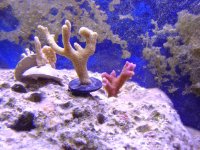
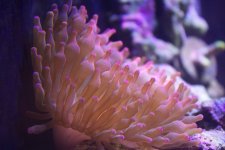
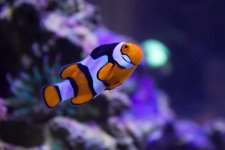
- Bob’s Reef V1 — 2001–2004 — 55 gallon basement tanks.
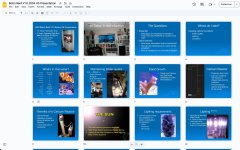
- 2003 Senior HS Project Presentation — including a BRS shout-out.
- Bob’s Reef V2 — 2015 — JBJ 30 gallon nano.
- Bob’s Reef V3 — 2017 — 65 gallon Florida build.
After several years away from a serious reef, V4 is the return: larger, more intentional, more serviceable, and much better documented.
Gallery + media
Closing thought
This build is a childhood reef dream with adult risk management bolted onto it.
If you’re into failure-mode analysis, fish room builds, reef automation, or just want to watch a 10-year reliability-focused reef come together, this is the thread I’ll keep current as Bob’s Reef V4 grows up.
Feedback welcome.
Attachments
-
 1764988197592.jpeg127.9 KB · Views: 455
 -
 1764988426468.jpeg263.4 KB · Views: 577
 -
 potm-2-2016.jpg174.6 KB · Views: 447
 -
 1765079151938.jpeg265.5 KB · Views: 619
 -
 1765079177078.jpeg159.3 KB · Views: 594
 -
 1765079225795.jpeg288.9 KB · Views: 628
 -
 1765079517737.jpeg158.2 KB · Views: 588
 -
 1765079615367.jpeg106.8 KB · Views: 439
 -
 1765079636319.jpeg79.8 KB · Views: 427
Last edited: