DragonetShepherd
Non-member
Hi all,
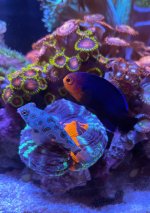
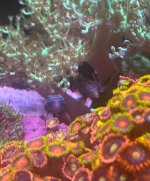
I was waiting to post this to ensure reproducibility, but I have a method that makes the notoriously difficult process of transitioning a mandarin to frozen food both quick and relatively painless.
Background: I transitioned my third spotted mandarin onto frozen food with the method below. I currently have two healthy spotted mandarins (one of the three fish had to be returned because I mistook a juvenile male for a female).
Materials:
Please let me know if you have any questions or concerns!
I was waiting to post this to ensure reproducibility, but I have a method that makes the notoriously difficult process of transitioning a mandarin to frozen food both quick and relatively painless.
Background: I transitioned my third spotted mandarin onto frozen food with the method below. I currently have two healthy spotted mandarins (one of the three fish had to be returned because I mistook a juvenile male for a female).
Materials:
- A porous rock
- A container of live copepods
- Frozen bloodworms
- Frozen mysis or brine shrimp (for later stages)
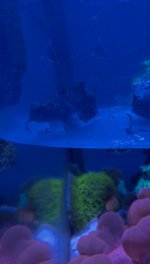
- A perforated enclosure (like a breeder box or colander-style container with holes)
- A pipette or small turkey baster
- Take a porous rock and place it into the container of live copepods for 30–60 minutes. This allows copepods to cling to the rock’s surface.
- Place your mandarin into the perforated enclosure within the display tank. Thaw a small portion of frozen bloodworms.
- Turn off tank flow to keep food in the enclosure.
- Pipette some bloodworms into the enclosure with the fish.
- Use a pipette to jam some bloodworms into the crevices of the porous rock outside of water.
- Place the copepod-covered, bloodworm-stuffed rock into the enclosure, and dump a generous quantity of copepods into the enclosure for good measure.
- The mandarin will begin pecking at the rock/surface of the enclosure for copepods and will accidentally consume bloodworms.
- After 1–3 days of this process, the fish typically begins to associate bloodworms with food.
- Once the fish eats bloodworms confidently, begin mixing in brine shrimp and eventually mysis shrimp using the same technique—pipetting into the enclosure and pressing into the rock.
- The fish will begin inadvertently eating the new food items while targeting bloodworms and eventually transition to frozen shrimp.
- Feed 2–3 times daily in small, controlled amounts during training.
- Keep the fish isolated during feeding until you have observed it to eat bloodworms.
- Once the fish is fully transitioned, you can remove the enclosure and feed in the display tank. Make piles of food either in the sand or on live rock where the food won’t float away.
Please let me know if you have any questions or concerns!