After 7 years since decommissioning my 65G Florida Reef tank, moving back to Boston, saving, planning, and designing, it's time to celebrate: Bob's Reef 4.0.
This build represents the start of a childhood dream: Having a tank large enough to host a Sohal Tang. Something about the majesty, beauty, and lines of this exotic fish have always inspired me.
Before we begin, a bit of history about my prior builds, and community engagement. This community has taught me so much throughout my life (as a member since 2003), that I figured I would make my primary build thread here at BRS!
Bob's Reef V1 - 2001 - 2004 55 Gallon Basement Tanks.
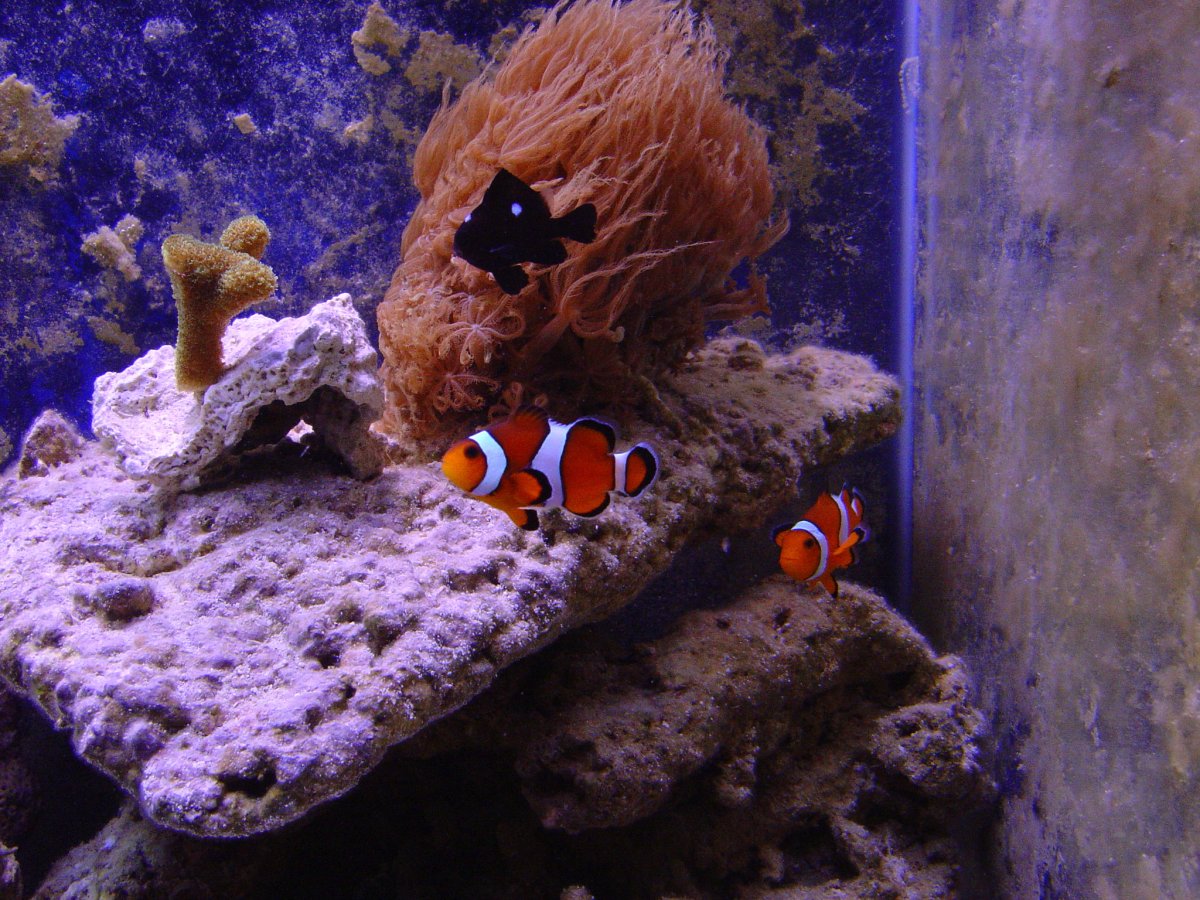
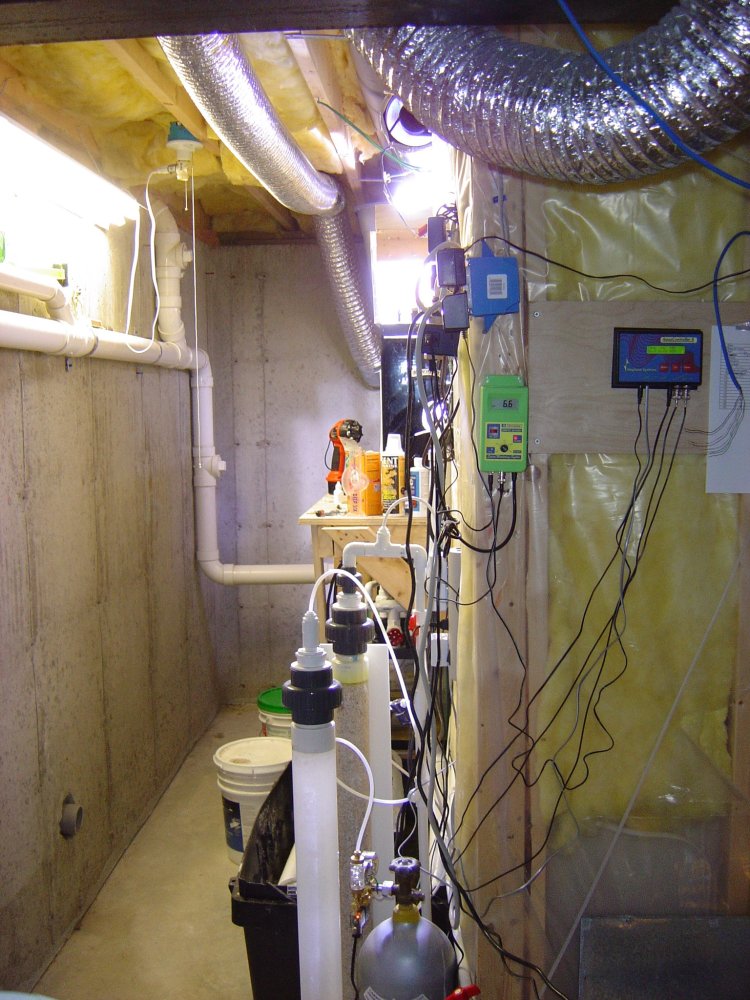
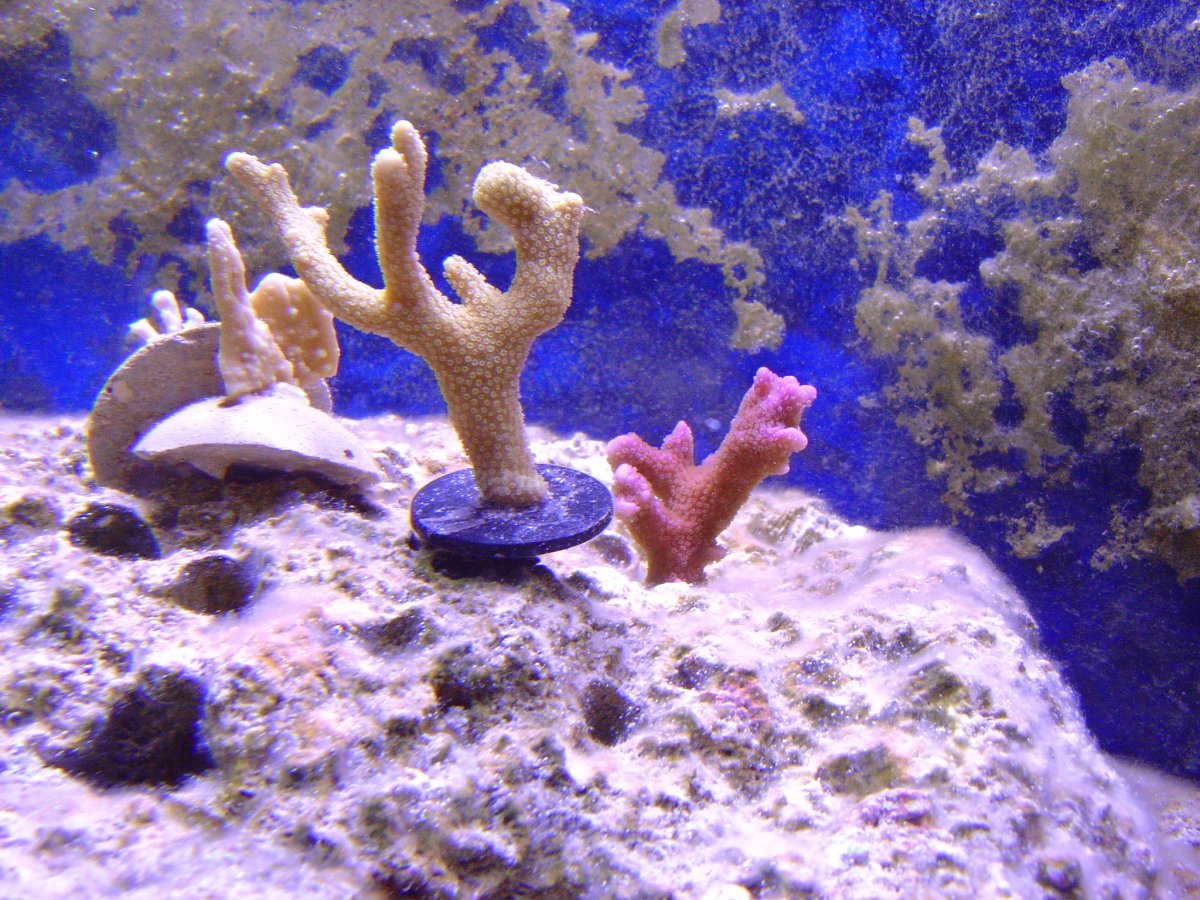
2003 Senior HS Project Presentation
(and BRS shout-out: here)
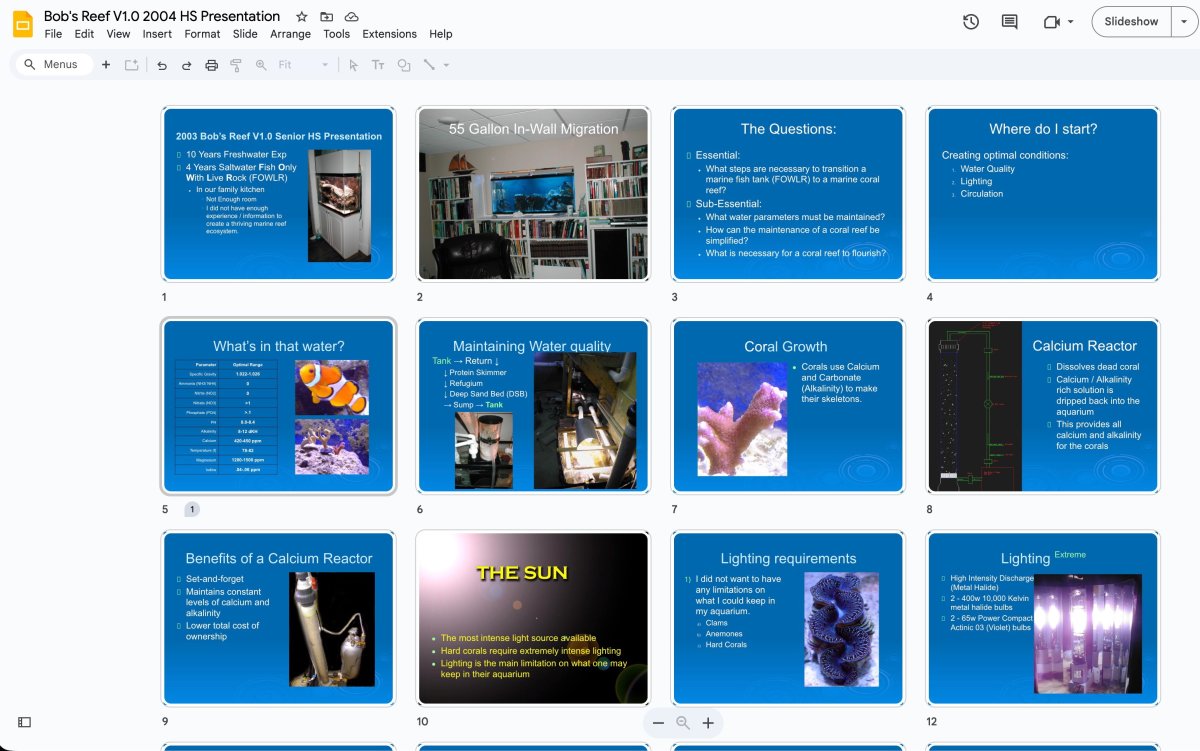
(Click for slides)
Bob's Reef V2 - 2015 JBJ 30 Gal Nano Tank
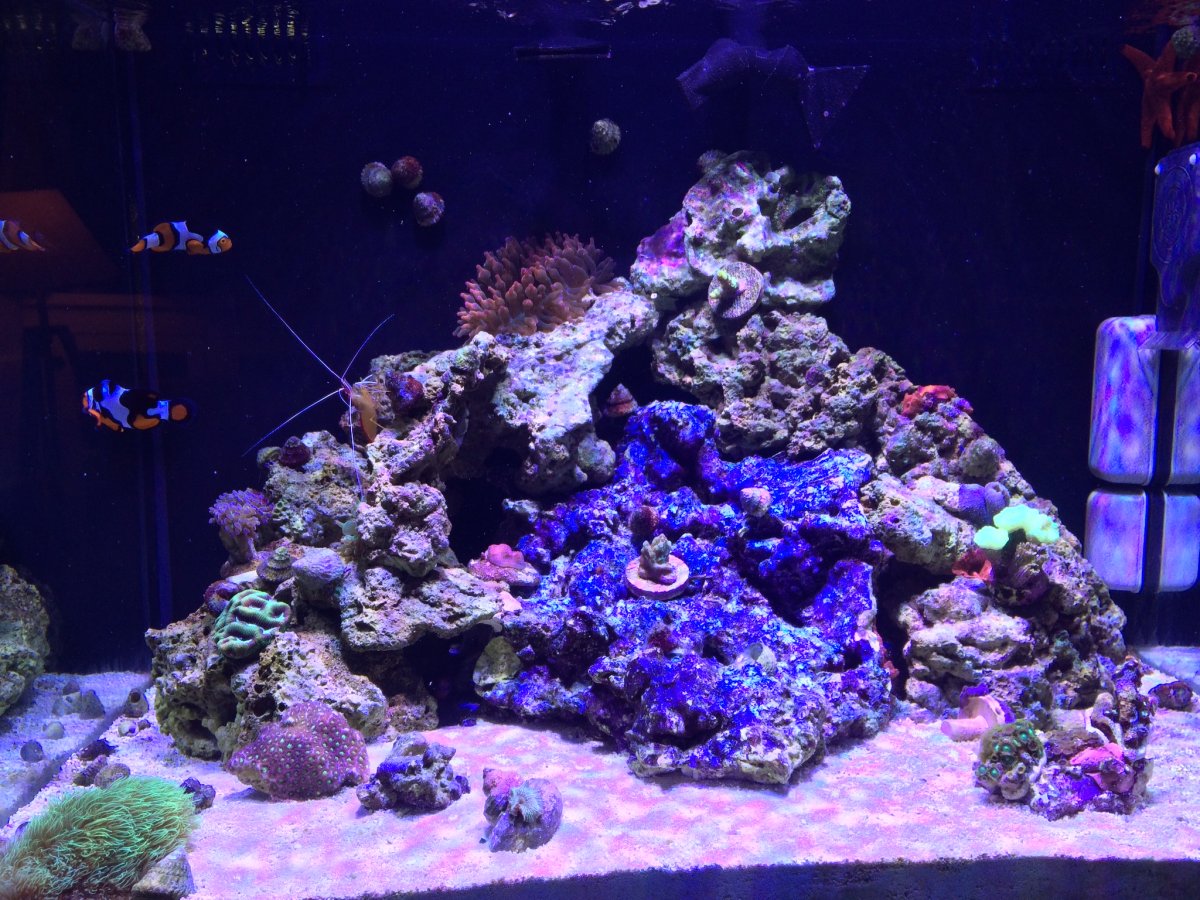
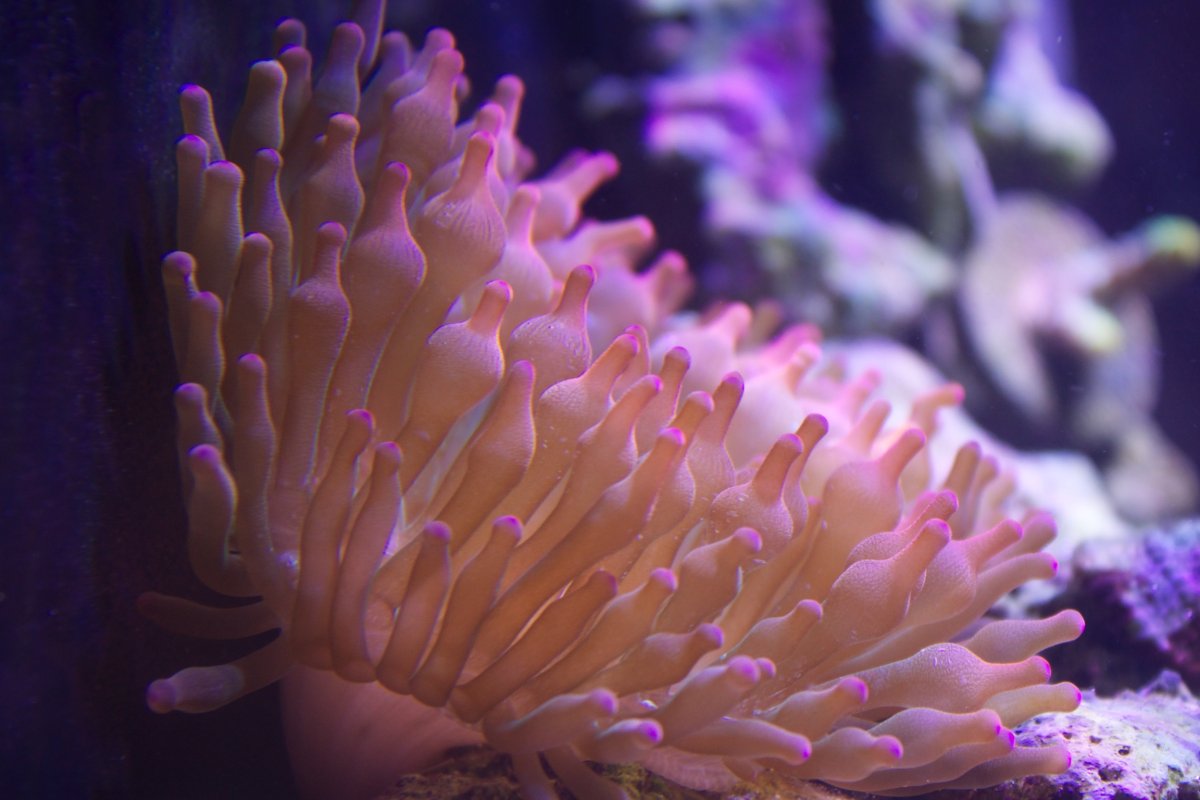
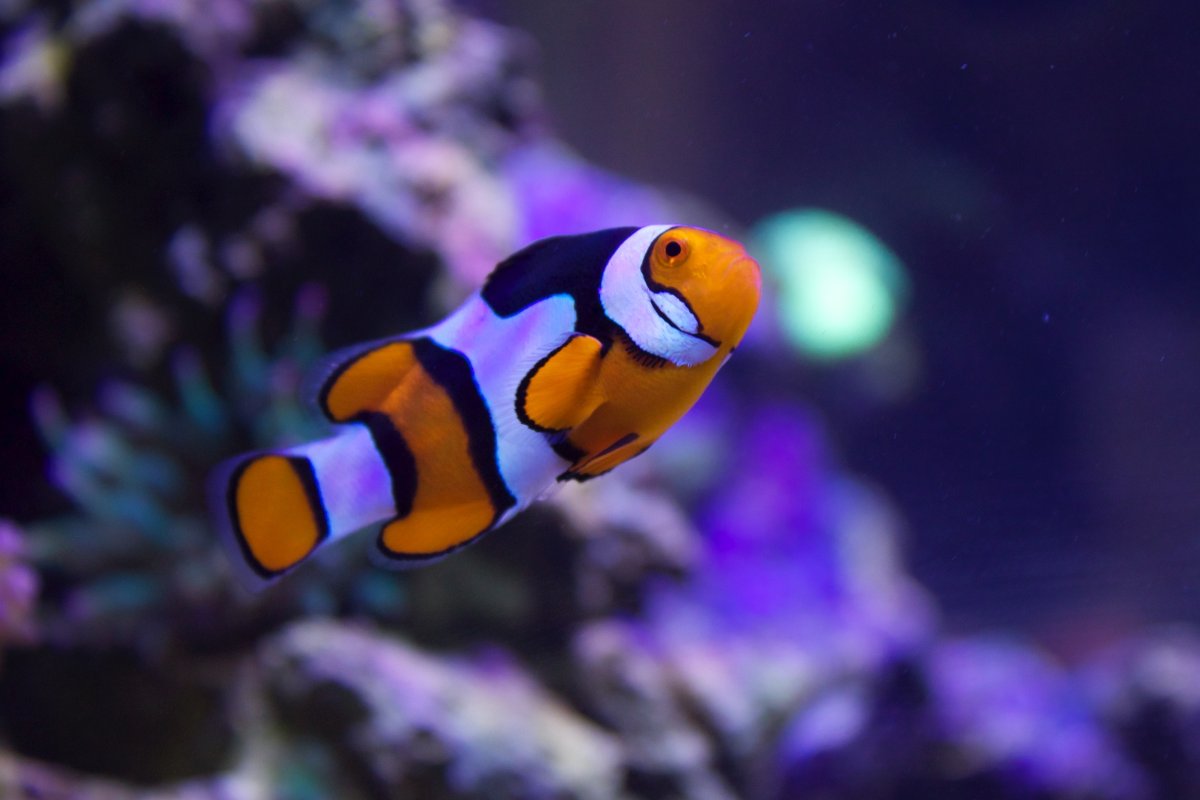
(Click for photo galleries)
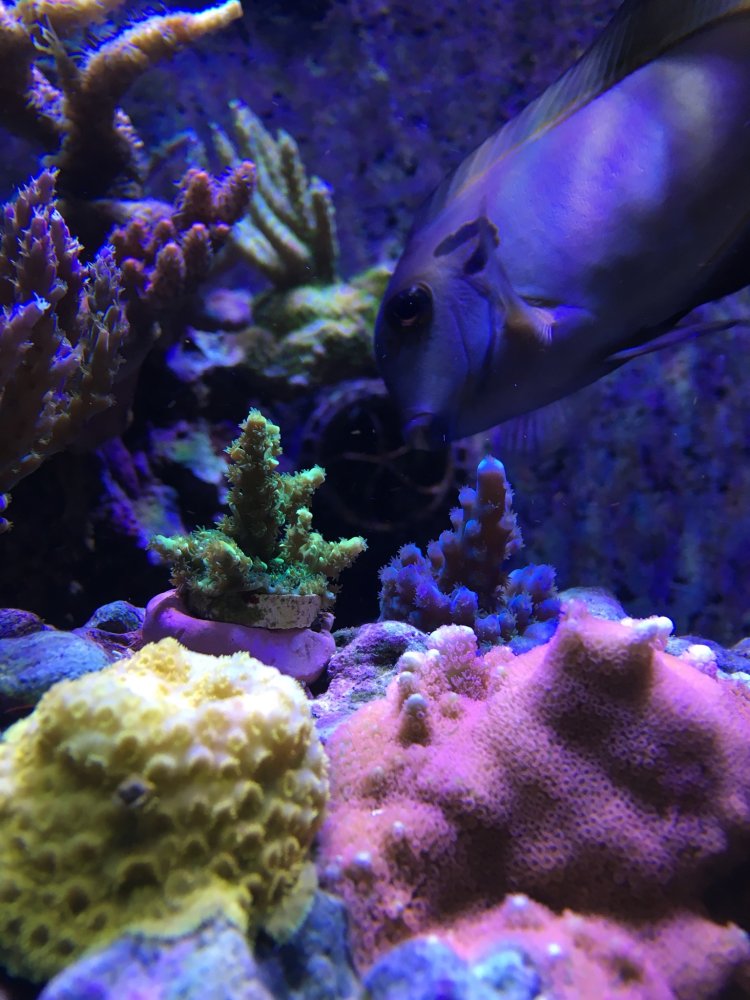
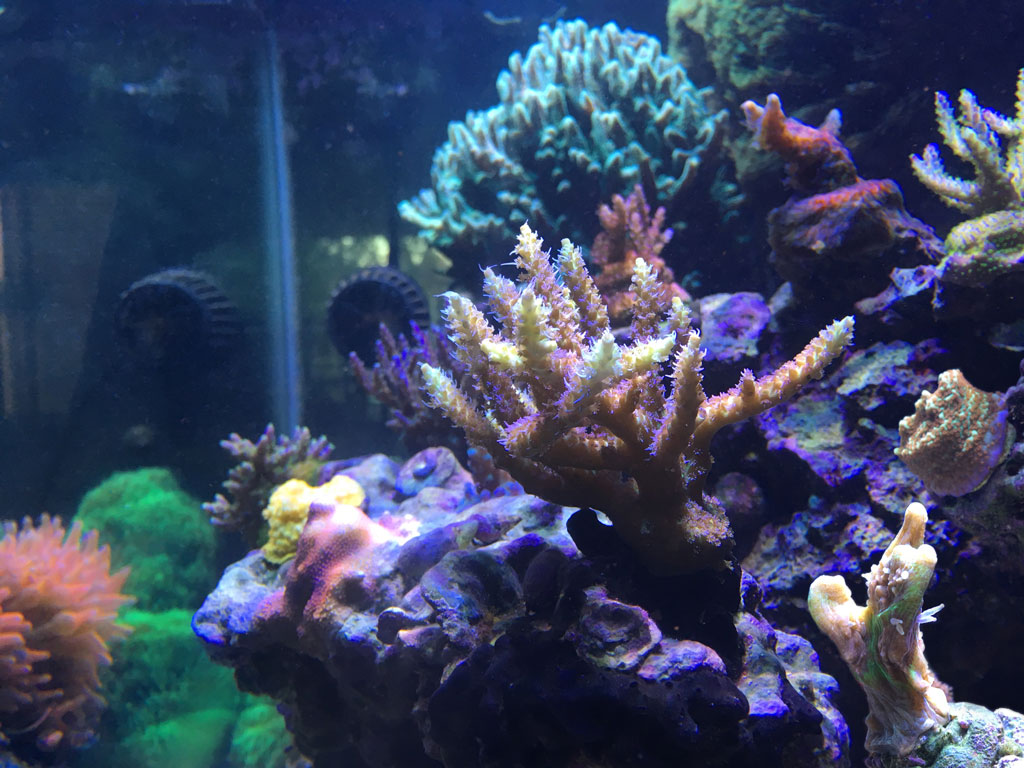
Bob's Reef V3 - 2017 - 65 Gallon Florida Build
And now... V4 begins
The build planning spreadsheet has evolved, and I've open sourced it now, too. There may be useful tools in here for logging, tracking, calculating, and building your very own reef.

Please comment on the plan here and share ideas!
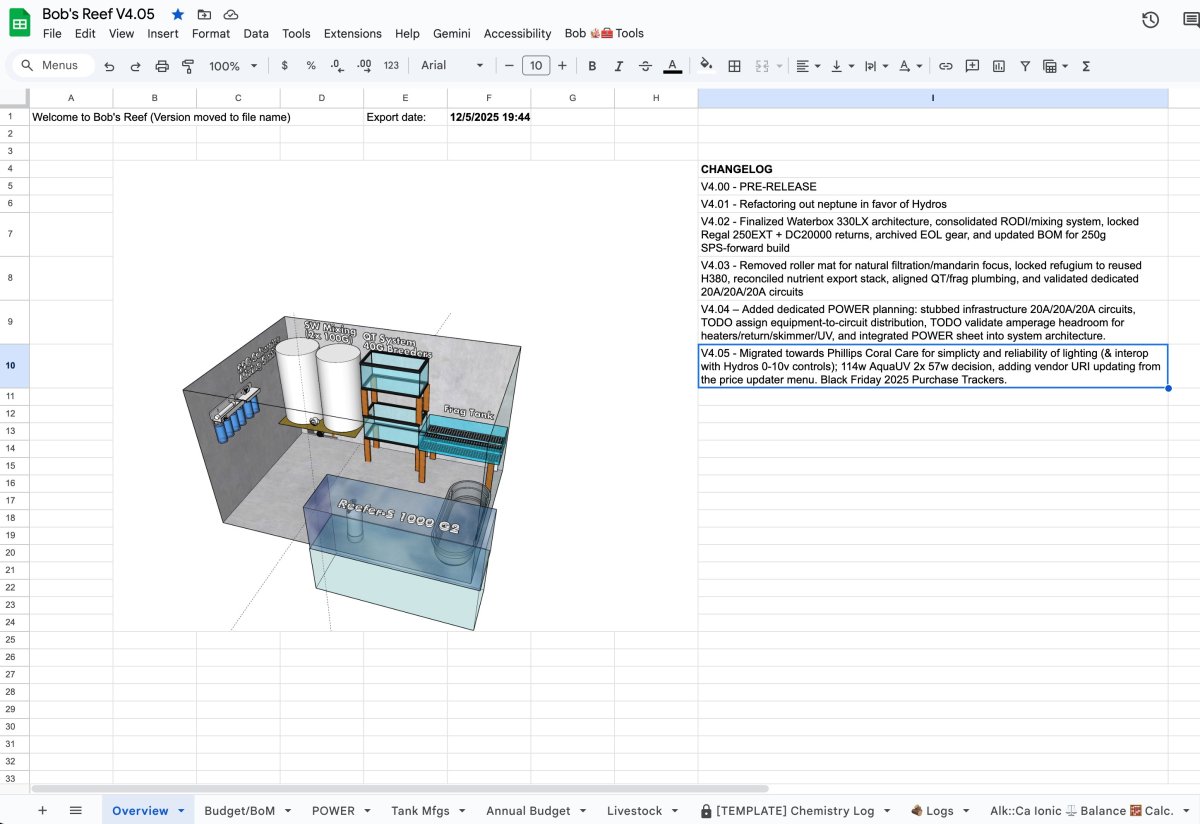
* Note this SketchUp rendering is a few years out of date. I have a more recent 3D Revit Model that I'll be updating the sheet + thread with in the future.
Working on Google appscripts tools, see the "Bob Tools" Menu.
I've been thinking about, planning, and selecting things for this reef for 4-5 years now.
The principles used to build and plan this tank include:
If you’re into failure-mode analysis, open-source control, or just want to watch a 10-year reliability-focused reef come together, this is the build thread I’ll be keeping current as Bob’s Reef V4 grows up.
Update: See the Gallery Here.
This build represents the start of a childhood dream: Having a tank large enough to host a Sohal Tang. Something about the majesty, beauty, and lines of this exotic fish have always inspired me.
Before we begin, a bit of history about my prior builds, and community engagement. This community has taught me so much throughout my life (as a member since 2003), that I figured I would make my primary build thread here at BRS!
Bob's Reef V1 - 2001 - 2004 55 Gallon Basement Tanks.
2003 Senior HS Project Presentation
(and BRS shout-out: here)
(Click for slides)
Bob's Reef V2 - 2015 JBJ 30 Gal Nano Tank
(Click for photo galleries)
Bob's Reef V3 - 2017 - 65 Gallon Florida Build
And now... V4 begins
The build planning spreadsheet has evolved, and I've open sourced it now, too. There may be useful tools in here for logging, tracking, calculating, and building your very own reef.
Please comment on the plan here and share ideas!
* Note this SketchUp rendering is a few years out of date. I have a more recent 3D Revit Model that I'll be updating the sheet + thread with in the future.
Working on Google appscripts tools, see the "Bob Tools" Menu.
I've been thinking about, planning, and selecting things for this reef for 4-5 years now.
The principles used to build and plan this tank include:
- Build for a 10 year stable reef.
- Pod friendly filtration
- Leverage more open source platforms
- Redundancy, Safe failure modes, and did I mention: redundancy?
Where things stand today
Right now this isn’t a “someday” dream anymore – the plan is real, costed, and sitting in a pretty obsessive BOM/tracking sheet that I've shared.- Display is locked in: Waterbox Reef LX 330.7 (84" x ~30" x 26", ~330g system volume).
- Lighting is locked: Radion G6 Pros hanging over the tank.
- Control stack is chosen: Hydros as the primary control plane (Kraken + X10 + XP8 / WaveEngine, etc.) with Home Assistant as the “meta” layer and backup brain.
- Plumbing & filtration are specced around redundancy, quiet operation, and being pod-friendly rather than pure “ULNS at all costs.”
System design snapshot
Display + sump(s)
- Display: Waterbox Reef LX 330.7 in the main living space.
- Primary sump: the stock Waterbox LX cabinet sump, repurposed as more of a cryptic / refugium / additional volume zone.
- Secondary “fish room” sump: a larger, external sump in the fish room dedicated to:
- Probes
- Refugium
- Easy access for maintenance and experiments
Filtration & life support
- Protein skimmer: Regal 300EXT, with a dedicated feed that can run on 24v hydros for oxygen exchange.
- UV sterilizer: 114w dual ballast UV sterilizer
- Normal low-flow “polish the water” mode / redundancy mode
- High-dose “ich kill mode” after new additions / emergencies
- Refugium / cryptic zones:
- Cabinet sump: lots of rock / rubble and low light for sponges, pods, and cryptic life
- Fish room sump: macro algae and export-focused refugium
- Return & manifolds:
- Dual DC return pumps with 0–10V control via Hydros
- Designed so that any single pump or branch can fail without flooding or starving the display
Control & automation
- Hydros control bus driving:
- Return pumps
- Powerheads / wave pumps
- Heaters, fans, and potentially chiller control
- A lot of flow, leak, and power monitoring, because this is the “Reliability Reef”
- Home Assistant:
- Secondary automations
- Notification layer
- A way to integrate other smart-home gear and have one place to see “reef health”
- Stretch goal: over time, replace more of the closed-ecosystem logic with open source Reef-Pi style control, leveraging my day job experience with Kubernetes and distributed systems.
Current Status
- Display & core hardware selected and budgeted
- Tank choice: locked.
- Lighting choice: locked
- Controller ecosystem: Hydros primary, HA backup.
- UV, skimmer, and return pump classes locked.
- Power & circuit planning in progress
- Dedicated circuits specced for:
- Display + life support
- Fish room + mixing station
- Planning around:
- GFCIs, drip loops, labeling, and avoiding “mystery power strips”
- Hydros power distribution with 2N where it matters (return, heaters, critical flow).
- Dedicated circuits specced for:
- Plumbing design is in “final iteration” stage
- Dual returns from the LX 330.7.
- Fish room manifold design for:
- UV
- Skimmer
- Frag tank
- Chiller loop
- Service drain to sump
- Safety analysis in the sheet for “everything drains” worst-case scenarios and how much water can safely be in each section during a power cut.
- Rock, sand, and aquascape strategy defined
- Mostly dry rock base with targeted use of high-quality live media for biodiversity.
- Sand choices specced in the BOM, with an eye toward:
- Stability for wrasses and sand-sleepers
- Grain size that doesn’t turn into a sandstorm.
- Mixing station / water management specced
- 110g conical mixing tank with full-drain design.
- External pump for mixing + transfer.
Next steps before water
- Finalize fish room layout
- Lock in exact positions of sump, mixing station, and manifolds.
- Confirm clearances for maintenance, skimmer removal, and future add-ons.
- Lock in the final plumbing BOM
- Metric → US adapters where needed for the Waterbox plumbing.
- Valve selection (unions, gate/ball valves, check valves) focusing on serviceability + failure-safe design.
- Order the remaining plumbing parts once the layout is frozen.
What I’ll share next in this thread
- AquaScape updates
- Power Updates
- Updated 3D model screenshots (Revit) showing:
- What we decide on for final Lighting / Floating Canopy
- Display, cabinet sump, and fish room sump layout.
If you’re into failure-mode analysis, open-source control, or just want to watch a 10-year reliability-focused reef come together, this is the build thread I’ll be keeping current as Bob’s Reef V4 grows up.
Update: See the Gallery Here.
Last edited: