Day 14;
I visited my buddy Fishfry and decided to bring my gear including my tripod.
Fishfry's tank is a 47g Deep with a 250 14K HQI and Blue LED strips from Oznium.com...
These dimensions make it easier to capture wrasse since they pretty much shoot in and out of the rockwork at the same place in the water column. I focused in one area and waited for them to come in the eyepiece. Then I zoomed in quickly and tried to follow and focus. It's not as hard as you might imagine once you get a rhythm going.
Based on recommendations here, I decided to go FULL ON MANUAL and Wow! what a difference! You really feel in control.
Here's what I did;
1: Setup ISO to 100
2: Setup F-Stop to between 5-6.5
3: Setup Camera on Tripod {Leaving a light tension on the Vertical Angle to allow for a little play}
4: Turned Flash off
5: Turned Dial to Manual (M)
6: Also turned the Lens to Manual {Only for lenses that have the AF motor built into them}
7: Zoomed in as far as I could (300mm)
8: Manually focused until clear
9: Moved the tripod back if I couldn't get it 100% (Based on looking through the eyepiece)
10: Re-focused if necessary and SHOT AWAY!
Last week I learned about Lighting and my Lens;
Firstly, I learned that you really need to know the lens that you have. The sigma that I have been using has two important features...
These are important because in the first respect (A) my Nikon {Nikkor} Lens needs more space before the actual tank before it can actually focus, no matter if it's Manual or Automatic. My Sigma Lens needs only 19.7" according to the specs. I was able to get a pretty decent focus ~5" or more from the actual glass. Basically, this minimum spec is fine unless you have your rock work right up against the front glass

The Nikon lens specs say min. focus distance is 3'6"!
In the case of the second feature (B); both have a second rotational piece that is a Manual Focus Adjustment. It's the second set of ribbing you can see in this pic on the farther right side... Some of the cheaper lenses do not have this 'Crucial' feature.
a; Minimum focus length
b; Manual Focus Adjustment
This article was really helpful with the suggestions of 'Where' to focus when shooting fish and also understanding lighting.
http://www.uwphotographyguide.com/macro-underwater-photography
Because of these considerations, and the lack of funds to buy a "True Macro" lens, which is different in design than a lens that just has Zoom... {We'll learn about that if I have $$$ after the tank upgrade

} Here's the link I mentioned above for the review of the 105mm Nikkor Macro lens ~600 USD
http://www.kenrockwell.com/nikon/105vr.htm
As far as lighting... I initially thought of it as an adversary in this context. Which was a really odd feeling since I try to get as much as possible in my tank... But, I digress... in reality, it's like the big angry dog in your neighbor's yard. You've just got to get to know it... It's just doing what it's supposed to do and you can actually befriend it, if you understand it.
For our reef pictures, we want the pics to show "What we see" right? Well, I stopped fighting it and decided to learn it.
I'm absolutely not ready for the 'Advanced Techniques' mentioned above. So, for now I'm adjusting the ISO to a lower setting (100) and adjusting the White Balance in Photoshop. Again, DO NOT USE FLASH! It'll wash out the colors you see... That is unless you're taking a pic of your refugium
OK, Enough with the talk. Here are the latest shots!





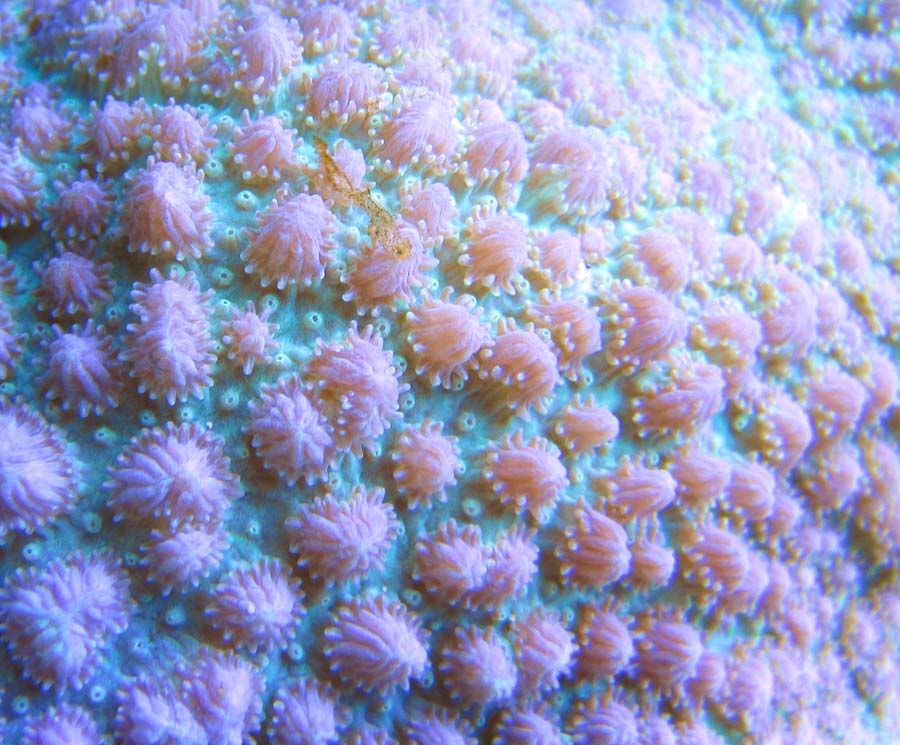
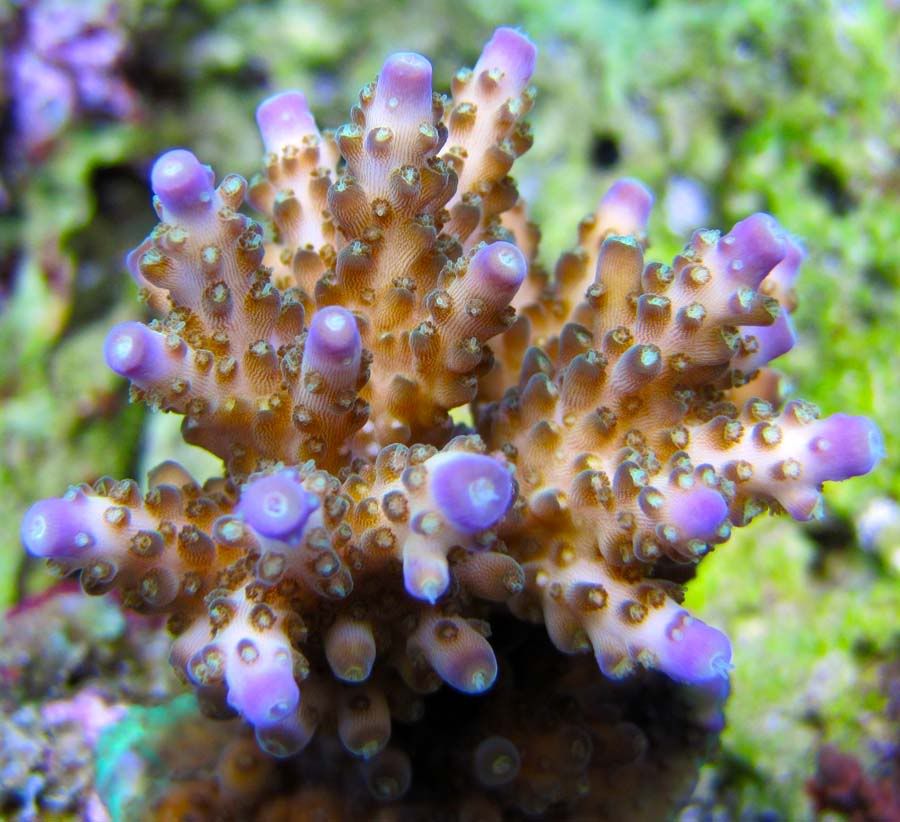
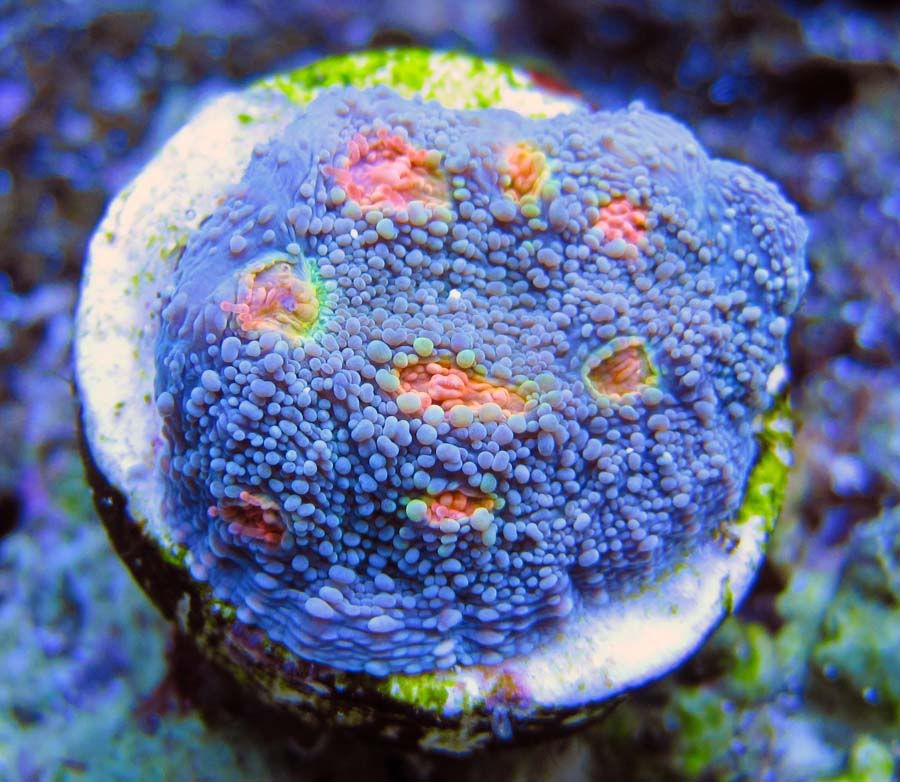
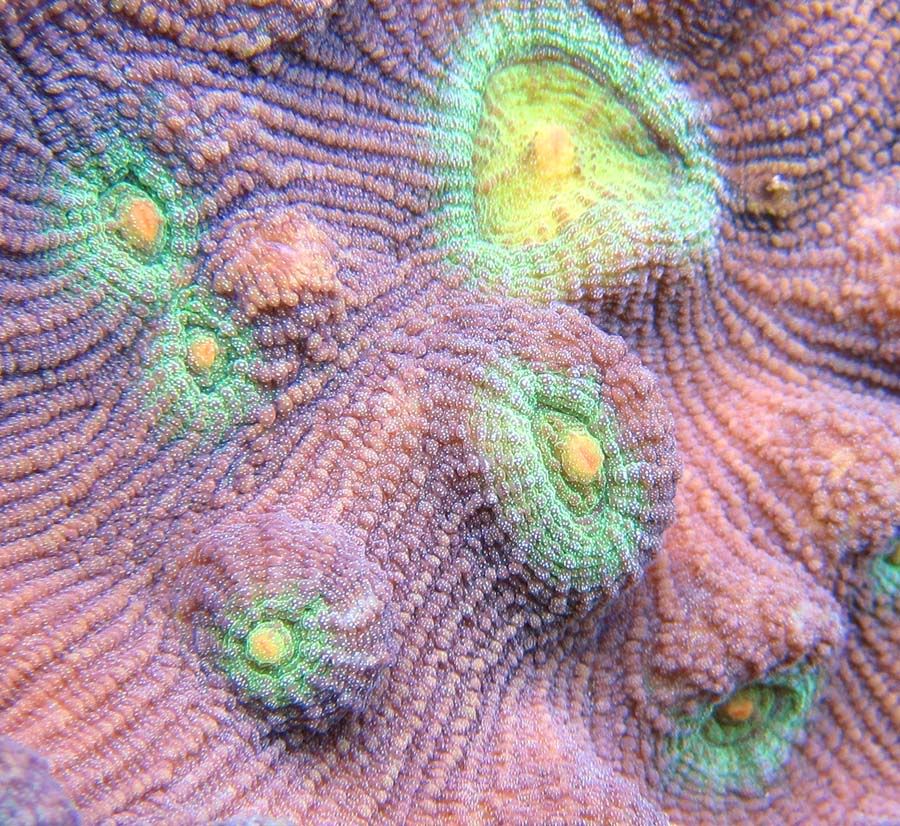
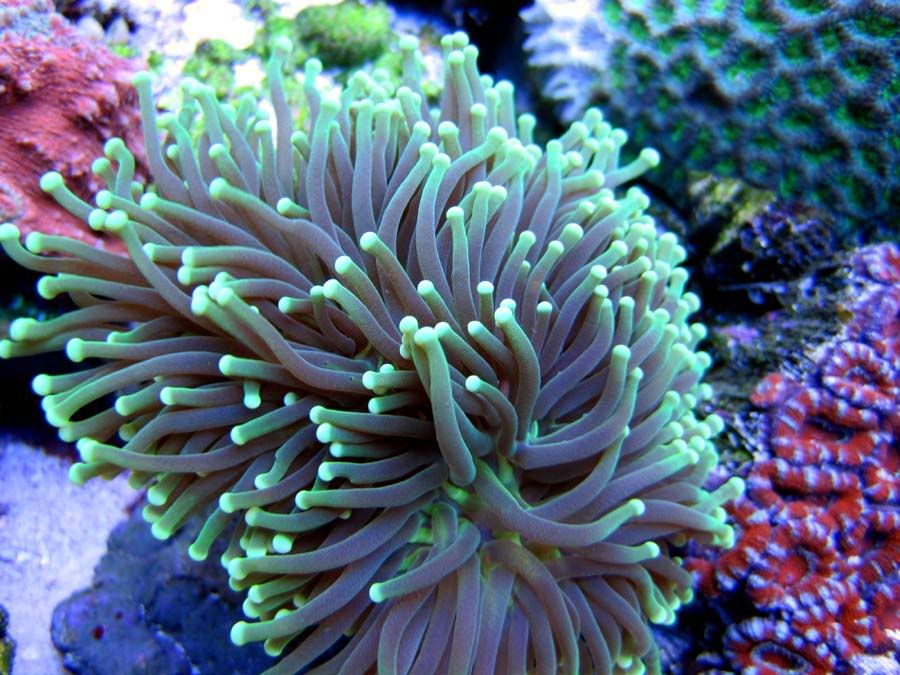
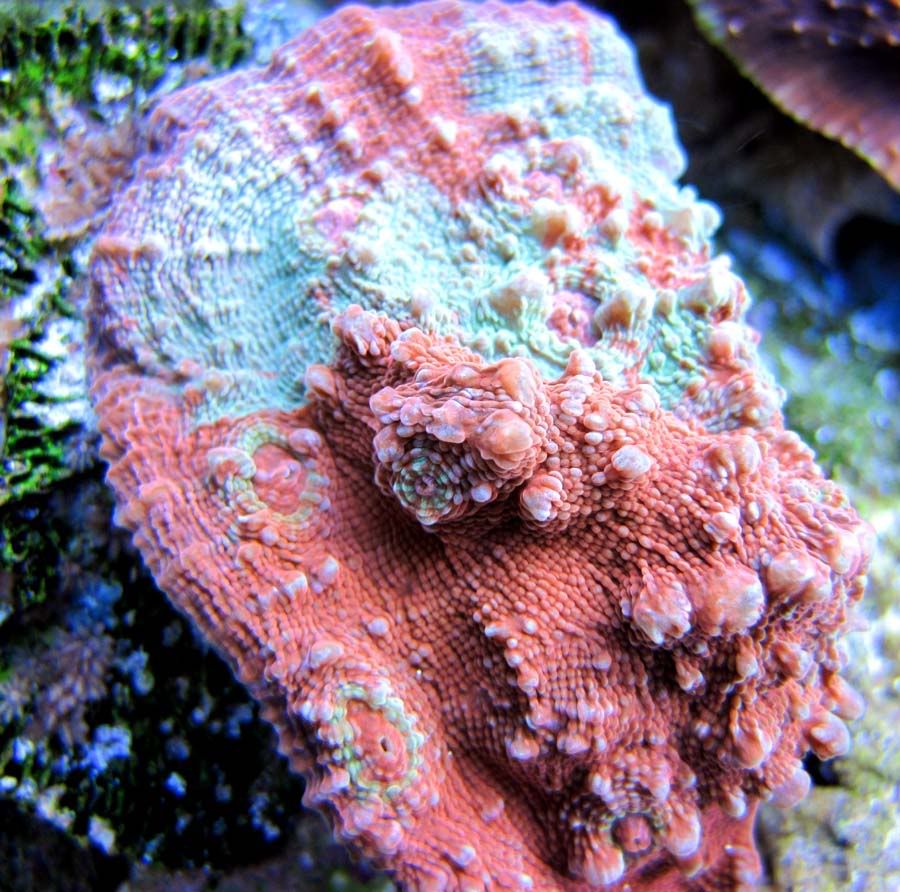
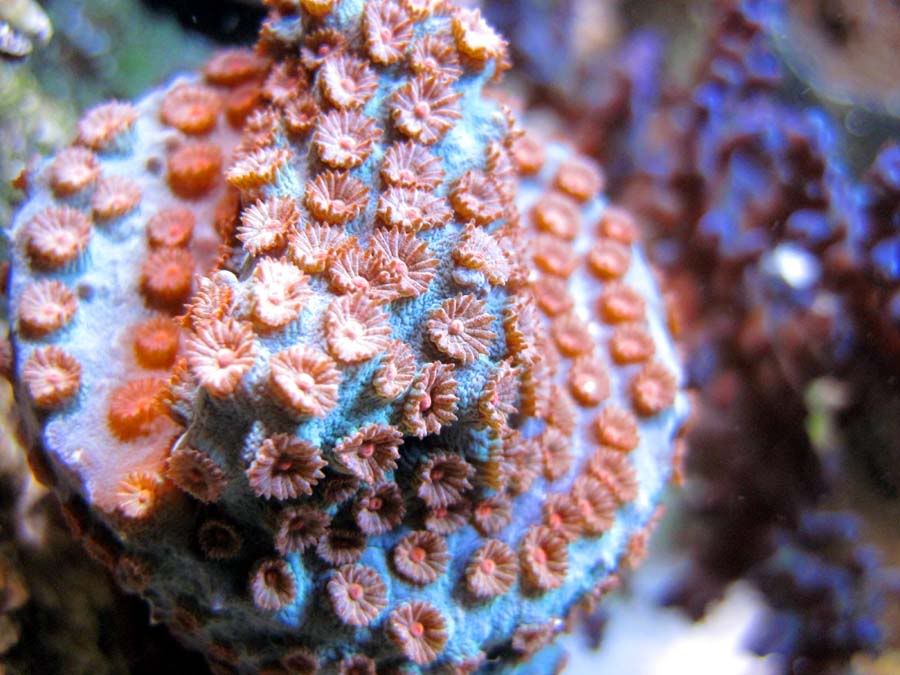

 like I needed another way to bleed money right!!!


