
-
******* To read about the changes to the marketplace click here
You are using an out of date browser. It may not display this or other websites correctly.
You should upgrade or use an alternative browser.
You should upgrade or use an alternative browser.
More Acro Flatworms!!
- Thread starter One Eye
- Start date

OP
OP

One Eye
former vp of pr
I got some more pictures today. If you've pm'ed or emailed about using these pics...go ahead!! One Eye in the credits is fine 
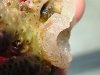
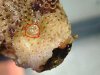
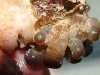
first pic is of eggs laid on super glue. You can see healthy tissue encrusting back over the glue and the eggs are just below the tissue.
first pic is of eggs laid on super glue. You can see healthy tissue encrusting back over the glue and the eggs are just below the tissue.
Attachments



OP
OP
One Eye
former vp of pr
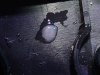
Now for the really scary stuff. I took the LJ out of the water and allowed a 1/2 hr to 45 minutes of drying time. I was checking the coral throughout this time. I did not see 1 not a single flatworm. Plenty of eggs but no live worms. I fresh water dipped the top of the coral. I dipped for exactly 1 minute. I saw worms coming off almost immeadiatly.
This is a pic of the largest.
This is a pic of the largest.
Attachments
OP
OP
One Eye
former vp of pr

 Chuck, good luck tonight in transferring everything to QT. Darren - those pics are interesting, scary and completely gross!
OP
OP
One Eye
former vp of pr
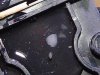
another pic with smaller...no-see-ums. I used a mag glass with a 100X bubble in the bottom of the lens. I got it at Mass Eye and Ear (I have connections there  ) Even with that mag glass I could not see these in the coral alive. Only in the jar of fresh water after the dip.
Remember, the large one is only 1/4" to 3/8"
) Even with that mag glass I could not see these in the coral alive. Only in the jar of fresh water after the dip.Remember, the large one is only 1/4" to 3/8"
Attachments
OP
OP
One Eye
former vp of pr
Armando, I don't think the worms are white until they die. I think they are more translucent.
Denis, I don't believe they will harm the zoas( probably just a clean surface in the path of their egg laying festivities) I don't think they'll harm the rock either ....and I have to R's in my name!!
Daire, that sucks, I work outside so it happens to me all the time. I still get the itchies every time. I've been playing with these flatworms with no problems, and just you mentioning a tick on you(all way at the cape, even) gave me the itchies!!
Denis, I don't believe they will harm the zoas( probably just a clean surface in the path of their egg laying festivities) I don't think they'll harm the rock either
....and I have to R's in my name!! Daire, that sucks, I work outside so it happens to me all the time. I still get the itchies every time. I've been playing with these flatworms with no problems, and just you mentioning a tick on you(all way at the cape, even) gave me the itchies!!

Liam
letting it grow
just an idea
With all these pest problems lately it seems everyone is tightening up on their quarantining(sp) but i had an idea.How about everyone trading within the club treats frags for sale/swap before they are passed on.This should be simple if you have a quarantine tank anyway.Here's what i suggest.
The day before the swap or sale the frag is removed and dipped in coral disenfectant and then goes into a quarantine tank for 12 hours and is treated with interceptor and exit.If water is taken from your sytem for the quarantine tank(only needs to be small)acclimation and stress should be minimal.Not only should this help protect the spread of these pests but it will allow us to monitor what is going on in our own systems.
I know these worms are tough to kill but at least this should get them to drop off and their prescence would be known before they are passed on.
All opinions welcome
P.S.
Anyone buying frags from me at the meeting will be recieving coral treated in this way,but i still recommend your own quarantine is continued as this will double the chances of these things being picked up.(i have however been testing heavily recently including removing target corals like efflo's soli's and tricolors and dipping them,nothing found so far)
And i still have some frags available by the way
With all these pest problems lately it seems everyone is tightening up on their quarantining(sp) but i had an idea.How about everyone trading within the club treats frags for sale/swap before they are passed on.This should be simple if you have a quarantine tank anyway.Here's what i suggest.
The day before the swap or sale the frag is removed and dipped in coral disenfectant and then goes into a quarantine tank for 12 hours and is treated with interceptor and exit.If water is taken from your sytem for the quarantine tank(only needs to be small)acclimation and stress should be minimal.Not only should this help protect the spread of these pests but it will allow us to monitor what is going on in our own systems.
I know these worms are tough to kill but at least this should get them to drop off and their prescence would be known before they are passed on.
All opinions welcome
P.S.
Anyone buying frags from me at the meeting will be recieving coral treated in this way,but i still recommend your own quarantine is continued as this will double the chances of these things being picked up.(i have however been testing heavily recently including removing target corals like efflo's soli's and tricolors and dipping them,nothing found so far)
And i still have some frags available by the way
Last edited:
OP
OP
One Eye
former vp of pr
Unfortunatly these things don't die or drop off the corals with any known dip other than fresh water, which will more than likely also kill the acro. They also take several months to grow into a decent size that MIGHT be seen after the coral has been left out to "dry" for some time.
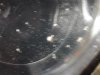
As you can see in my pic, they are very small and transparent after hatching from the eggs. It take about 3 months for these to reach a decent size. So if eggs went unnoticed in a system. The eggs hatch, new very small, clear flatworms. No treatment will remove them without the probable death of the acro. How can we tell?
About the only thing we can do is know what to look for. Tissue recession, usualy from the base up. These things for some reason almost always start at the base of the coral and work their way upwards. They even tend to hide in the folds of higher branches during the day, then move down to eat and lay eggs at night. About all we can do to be 100% safe is QT our new acros for 3 months!! 3 months!! That means a dedicated qt system for a 3 month period. No other acros introduced to this system for that time period.
These things are much different than red mites. If you place a red mite infected coral in your tank, they spread every where. These are for the most part coral specific. EX: Of the corals I picked up, 4 millis and 2 nana/valida type acros. 2 of the 4 millis were infected, I fraged the other 2 and dipped the large or main portion in fresh water and found nothing. Of the 2 valida/nana the Larry Jackson was completely covered, at least 50 dead flatworms in a 1 minute fresh water dip. The very similar steel blue acro, sitting right next to the LJ, nothing. And I ripped this coral apart. The steel blue was a nice little 3" colony. I broke it at the base, kept a small frag from the top of the coral (incase it was clean) took the mini colony ALL of it, and dipped in fresh water for about 5 minutes. Not one flatworm. Why? No one knows yet. No one knows what makes them stay on a coral or leave it. They do have corals (like the LJ) that they seem to prefer, oddly millis normaly are not one of the prefered corals, but I believe that the millis are where the problem started. In another system, other more prefered corals were already attacked and they moved on to the millis that ended up in James tank...then my qt. ...I have to go to work for a couple hours. I have a couple ideas I'd like to run by all you fine, fine lady's and gentleman
As you can see in my pic, they are very small and transparent after hatching from the eggs. It take about 3 months for these to reach a decent size. So if eggs went unnoticed in a system. The eggs hatch, new very small, clear flatworms. No treatment will remove them without the probable death of the acro. How can we tell?
About the only thing we can do is know what to look for. Tissue recession, usualy from the base up. These things for some reason almost always start at the base of the coral and work their way upwards. They even tend to hide in the folds of higher branches during the day, then move down to eat and lay eggs at night. About all we can do to be 100% safe is QT our new acros for 3 months!! 3 months!! That means a dedicated qt system for a 3 month period. No other acros introduced to this system for that time period.
These things are much different than red mites. If you place a red mite infected coral in your tank, they spread every where. These are for the most part coral specific. EX: Of the corals I picked up, 4 millis and 2 nana/valida type acros. 2 of the 4 millis were infected, I fraged the other 2 and dipped the large or main portion in fresh water and found nothing. Of the 2 valida/nana the Larry Jackson was completely covered, at least 50 dead flatworms in a 1 minute fresh water dip. The very similar steel blue acro, sitting right next to the LJ, nothing. And I ripped this coral apart. The steel blue was a nice little 3" colony. I broke it at the base, kept a small frag from the top of the coral (incase it was clean) took the mini colony ALL of it, and dipped in fresh water for about 5 minutes. Not one flatworm. Why? No one knows yet. No one knows what makes them stay on a coral or leave it. They do have corals (like the LJ) that they seem to prefer, oddly millis normaly are not one of the prefered corals, but I believe that the millis are where the problem started. In another system, other more prefered corals were already attacked and they moved on to the millis that ended up in James tank...then my qt. ...I have to go to work for a couple hours. I have a couple ideas I'd like to run by all you fine, fine lady's and gentleman


Similar threads


- Replies
- 3
- Views
- 1K
FS - Livestock
Torches and more torches
- Replies
- 6
- Views
- 807
- Replies
- 0
- Views
- 173

Sponsors
Acro Garden
All Things Aquatic
Backwoods Reefs
Beantown Reefers
Blue Light Aquatics
Bull Reef Aquaculture
Classic Corals
Corals Kingdom
Crazy Corals
Cultivated Reef
Daves Corals
Frag Freaks
Frank's Frags
Joe's Fishy Business
Love The Reef
Mofo Corals
NEMO
On Point Corals
ReefBum
Reef Exclusive
The Coral Farm
Ultimate Corals
Wet Pets Emporium
WickedCoralGarden
All Things Aquatic
Backwoods Reefs
Beantown Reefers
Blue Light Aquatics
Bull Reef Aquaculture
Classic Corals
Corals Kingdom
Crazy Corals
Cultivated Reef
Daves Corals
Frag Freaks
Frank's Frags
Joe's Fishy Business
Love The Reef
Mofo Corals
NEMO
On Point Corals
ReefBum
Reef Exclusive
The Coral Farm
Ultimate Corals
Wet Pets Emporium
WickedCoralGarden